
The Ultimate Guide to Implementing Virtual Assistants in Government Services


Introduction to Virtual Assistants in Government Services
The rise of technology has paved the way for innovative solutions in various sectors, including government services. Virtual assistants are transforming the way government agencies interact with citizens, making processes more efficient and accessible. This guide explores the implementation of virtual assistants in government services, highlighting their benefits and providing a roadmap for successful integration.
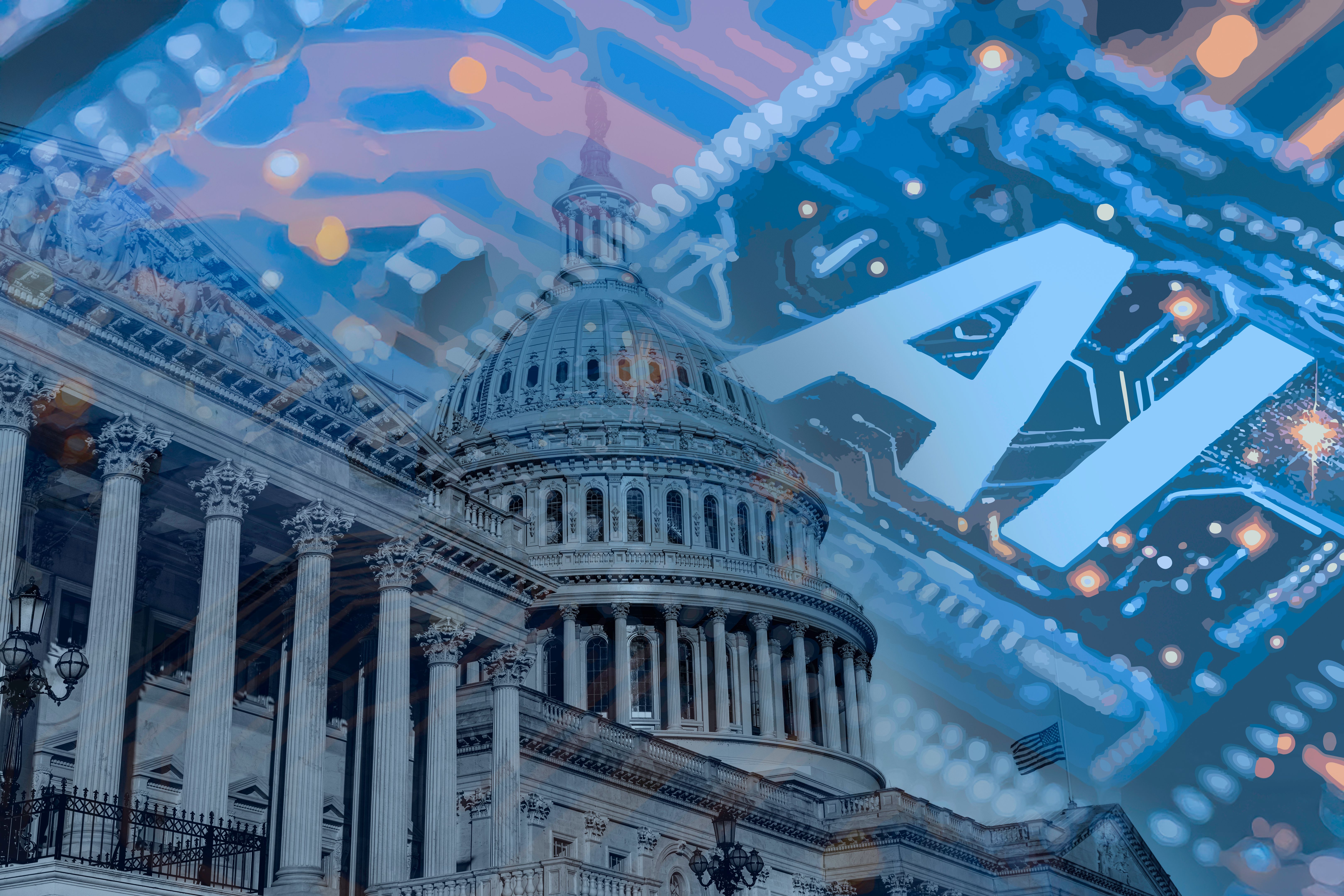
Understanding the Role of Virtual Assistants
Virtual assistants are AI-powered tools designed to perform tasks traditionally handled by human agents. In the context of government services, they can provide information, process requests, and assist with documentation. These digital helpers enable agencies to operate more efficiently, providing citizens with timely responses without the need for direct human intervention.
Key Benefits
The benefits of implementing virtual assistants in government services are manifold. They offer 24/7 availability, ensuring citizens can access services at their convenience. Additionally, they can handle high volumes of inquiries, reducing wait times and improving user satisfaction. Moreover, virtual assistants can free up human resources, allowing staff to focus on more complex tasks.

Steps to Implement Virtual Assistants
Implementing virtual assistants in government services requires a structured approach. Here are the key steps to consider:
- Identify Needs: Assess the specific needs of your agency and determine how a virtual assistant can address these challenges.
- Select the Right Technology: Choose a platform that fits your requirements, taking into account scalability, security, and integration capabilities.
- Customize the Solution: Tailor the virtual assistant to handle the specific tasks and processes relevant to your agency's operations.
- Test and Optimize: Conduct thorough testing to ensure the virtual assistant performs as expected, making adjustments as necessary.
Training and Support
Once implemented, continuous training and support are crucial for the success of virtual assistants. Regular updates and improvements will keep the system running smoothly, adapting to new demands and changes in technology. Training staff to work alongside virtual assistants will also enhance collaboration and service delivery.

Overcoming Challenges
While the benefits are clear, implementing virtual assistants in government services does come with challenges. Privacy concerns and data security are paramount, requiring robust measures to protect sensitive information. Additionally, resistance to change may arise among staff, necessitating effective change management strategies to ensure a smooth transition.
Case Studies
Many government agencies worldwide have successfully integrated virtual assistants into their services. These case studies provide valuable insights into best practices and common pitfalls. For instance, some agencies have reported a significant reduction in call center volume, while others have highlighted improved citizen satisfaction scores.

The Future of Virtual Assistants in Government
Looking ahead, the role of virtual assistants in government services is set to expand. As technology advances, these tools will become even more sophisticated, offering enhanced capabilities and further streamlining processes. Governments that embrace this technology stand to significantly improve service delivery, making interactions with citizens more efficient and effective.
In conclusion, virtual assistants represent a powerful tool for modernizing government services. By following a strategic approach to implementation, agencies can harness the full potential of this technology, providing better services to citizens while optimizing internal operations.