Leveraging AI for Educational Success: Enhancing Student and Faculty Interactions


The Role of AI in Modern Education
Artificial Intelligence (AI) is revolutionizing various sectors, and education is no exception. By offering innovative tools and techniques, AI is reshaping how students learn and how educators teach. This transformation is enhancing both student and faculty interactions, making the educational process more engaging and efficient.
AI's ability to personalize learning experiences is one of its most significant contributions. It can tailor educational content to meet the individual needs of students, ensuring that each learner progresses at their own pace. This personalized approach not only boosts student engagement but also improves learning outcomes.
Facilitating Communication and Collaboration
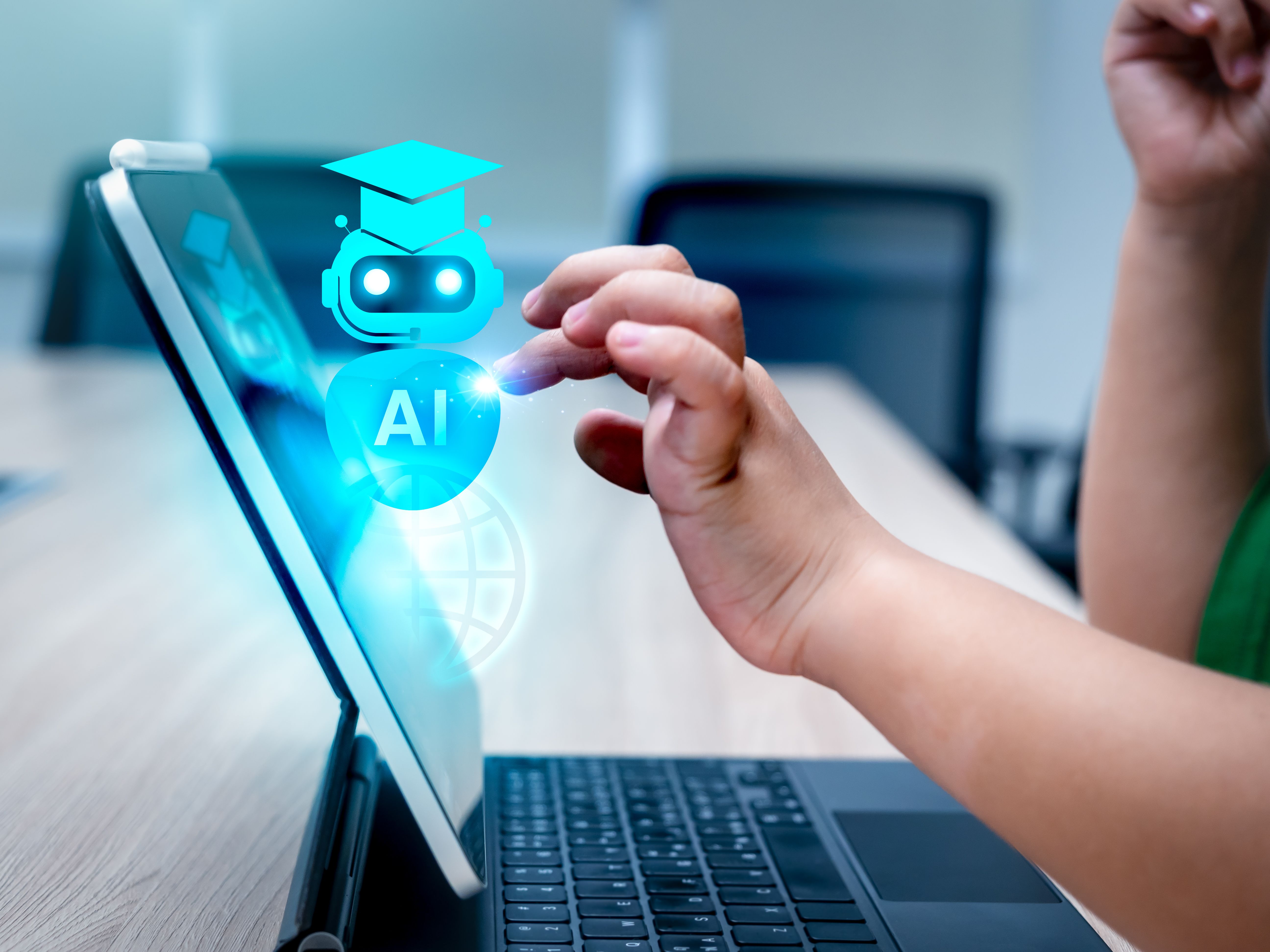
Communication and collaboration are key elements in education. AI-powered platforms facilitate seamless interactions between students and faculty by offering virtual meeting spaces and discussion forums. These platforms enable real-time communication, breaking down geographical barriers and allowing for a more interconnected educational environment.
Moreover, AI tools can analyze communication patterns to identify students who may need additional support or encouragement. By doing so, educators can proactively address issues, fostering a supportive learning atmosphere.
Enhancing Administrative Efficiency
AI is not only beneficial for teaching and learning but also plays a crucial role in administrative tasks. Automating routine processes such as grading, scheduling, and reporting enables faculty to focus more on teaching and mentoring students.

Personalized Learning Paths
AI's ability to analyze vast amounts of data allows it to create personalized learning paths for students. These tailored learning experiences ensure that students receive content that is most relevant to their needs, interests, and learning styles. As a result, students are more likely to remain engaged and achieve academic success.
By continuously monitoring student progress, AI systems can provide real-time feedback and suggest resources for improvement. This dynamic interaction helps students stay on track and fosters a sense of accomplishment.
Overcoming Challenges
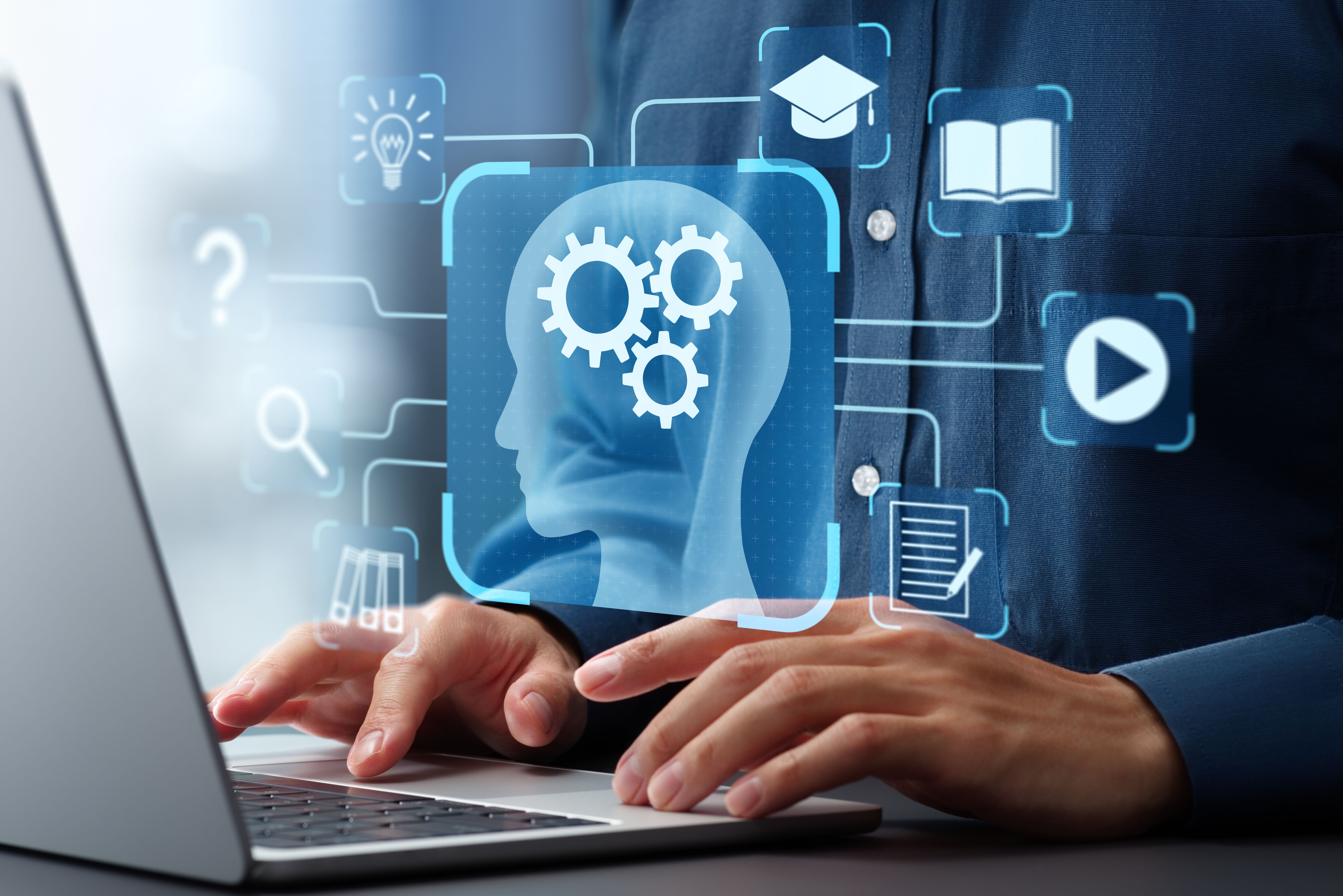
Despite its advantages, integrating AI into education comes with challenges. Privacy concerns, data security, and the need for robust infrastructure are some of the issues that educational institutions must address. However, with careful planning and implementation, these challenges can be effectively managed.
Ensuring that faculty and students are adequately trained to use AI tools is also essential. Providing ongoing professional development and support can help educators leverage AI's full potential, ultimately enhancing the educational experience.
The Future of AI in Education
As AI technology continues to evolve, its impact on education will only grow. Future advancements may include even more sophisticated AI-driven tools that enhance personalized learning, improve communication, and streamline administrative tasks.
By embracing these innovations, educational institutions can create a more dynamic and inclusive learning environment. The future of education lies in harnessing the power of AI to foster student success and empower educators to deliver high-quality education.