Case Study: Implementing Omnichannel Platforms in Florida's Healthcare Sector


Understanding Omnichannel Platforms in Healthcare
Omnichannel platforms have revolutionized how industries operate, and the healthcare sector in Florida is no exception. By integrating various communication channels, healthcare providers can offer a seamless patient experience. This case study explores the implementation of these platforms in Florida's healthcare sector, highlighting the benefits and challenges faced.
The Need for Omnichannel Solutions
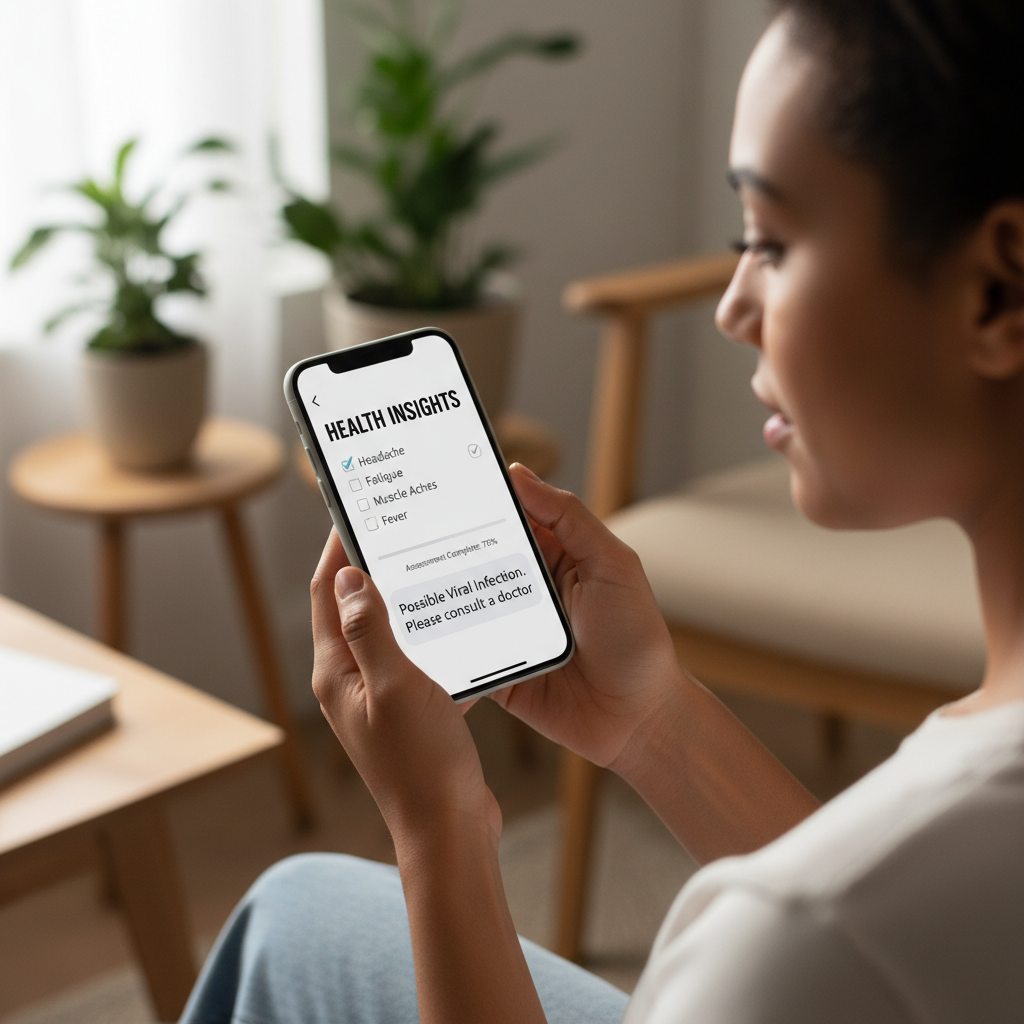
Florida's healthcare providers are constantly seeking ways to improve patient engagement and care. The need for a unified communication strategy became evident as patients demanded more personalized and convenient services. Omnichannel platforms emerged as a solution, allowing providers to connect with patients through multiple channels such as phone, email, SMS, and mobile apps.
The primary goal was to enhance patient satisfaction and streamline operations. By leveraging omnichannel platforms, healthcare facilities can offer timely notifications, appointment reminders, and follow-up care instructions, all tailored to individual patient needs.
Implementation Strategies
Implementing omnichannel platforms requires strategic planning and execution. Florida's healthcare providers adopted a phased approach, focusing on:
- Integration: Combining existing systems with new technologies to ensure seamless communication.
- Training: Equipping staff with the necessary skills to utilize these platforms effectively.
- Patient Engagement: Educating patients about the benefits and functionalities of the new system.

Challenges Faced
Despite the promising benefits, the implementation of omnichannel platforms in Florida faced several challenges. One significant hurdle was the integration of legacy systems with modern technology. Ensuring data security and patient privacy also required robust measures and compliance with regulations such as HIPAA.
Another challenge was resistance to change from both staff and patients. Overcoming this required comprehensive training programs and patient education initiatives to demonstrate the value and ease of use of the new systems.
Success Stories and Outcomes
Several healthcare providers in Florida have successfully implemented omnichannel platforms, resulting in improved patient satisfaction and operational efficiency. For instance, a prominent hospital reported a 30% increase in appointment adherence due to automated reminders and follow-ups.

Moreover, the ability to provide personalized communication has significantly enhanced patient engagement. Patients appreciate the convenience of accessing healthcare services through their preferred channels, leading to a more proactive approach to their health management.
Future Prospects
The success of omnichannel platforms in Florida's healthcare sector paves the way for further advancements. Providers are now exploring the integration of AI and machine learning to offer even more personalized care. These technologies have the potential to predict patient needs and automate routine tasks, further enhancing the efficiency of healthcare services.
As the healthcare landscape continues to evolve, the adoption of omnichannel platforms will likely become a standard practice, fostering a more connected and patient-centric approach to care.