
A Comprehensive Guide to Implementing Virtual Assistants in Education


Introduction to Virtual Assistants in Education
As technology continues to evolve, the education sector is leveraging innovative tools to enhance learning experiences. One such tool is the implementation of virtual assistants. These AI-driven entities can transform the way educators and students interact with information, offering personalized and efficient educational assistance.
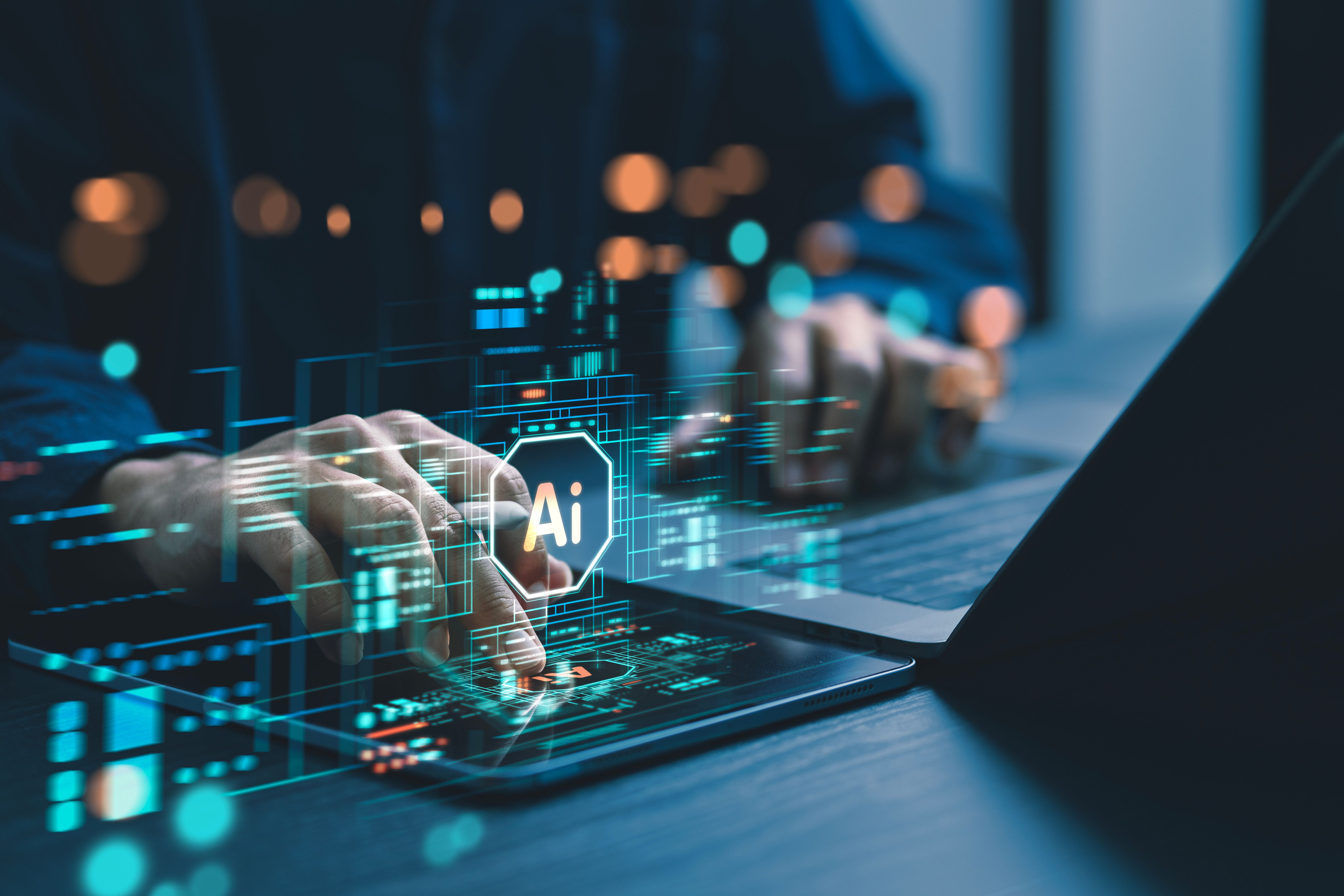
The Role of Virtual Assistants in Classrooms
Virtual assistants can serve a multitude of functions in educational settings. They are capable of providing instant access to information, helping with administrative tasks, and offering personalized tutoring. By automating routine tasks, educators can focus more on teaching and less on administrative duties.
Enhancing Student Engagement
One of the primary benefits of virtual assistants is their ability to engage students in a more interactive learning process. By using voice-activated commands and immediate feedback, students can experience a more dynamic and responsive educational environment.
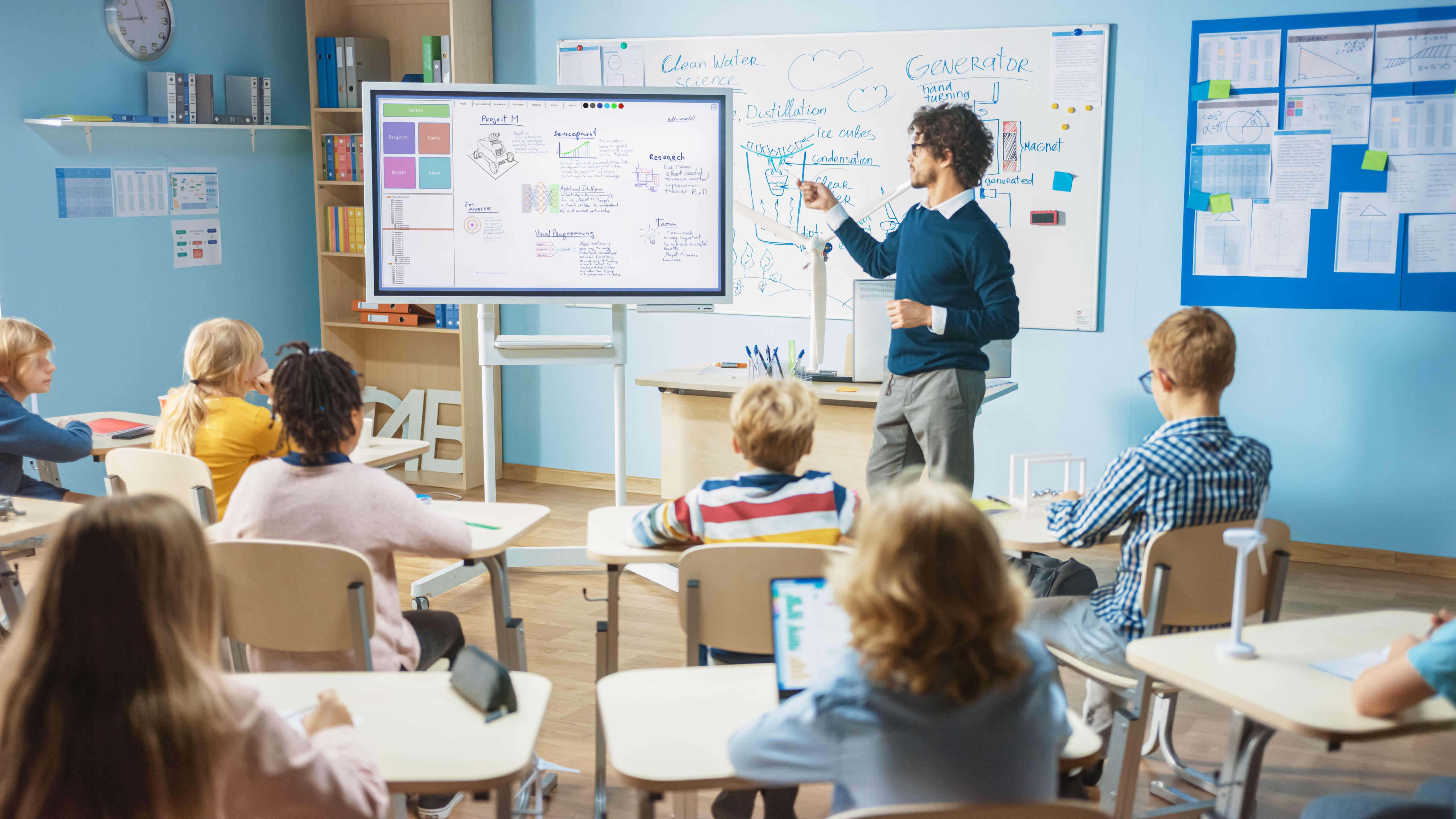
Supporting Teachers and Administrators
For teachers, virtual assistants can handle tasks such as scheduling, attendance tracking, and grading. This not only saves time but also reduces the margin for human error. Administrators can also benefit by using virtual assistants to streamline communication and manage school operations more efficiently.
Implementing Virtual Assistants Effectively
To successfully integrate virtual assistants into education, it's essential to follow a structured approach. Here are some steps to consider:
- Identify the specific needs of your educational institution.
- Choose the right virtual assistant technology that aligns with your goals.
- Provide training for educators and students to ensure smooth adoption.
- Continuously evaluate and adjust the implementation to improve effectiveness.

Overcoming Challenges
While virtual assistants offer numerous benefits, there are challenges to address, such as privacy concerns and the need for technical infrastructure. Ensuring data security and providing reliable internet access are crucial for a successful implementation.
Future Prospects of Virtual Assistants in Education
The future of virtual assistants in education looks promising. As AI technology advances, these tools will become even more sophisticated, offering deeper insights into student performance and learning patterns. This evolution will enable a more personalized and effective educational experience.

In conclusion, virtual assistants hold immense potential to revolutionize education. By understanding their role, benefits, and implementation strategies, educational institutions can harness the power of AI to create engaging, efficient, and innovative learning environments.